
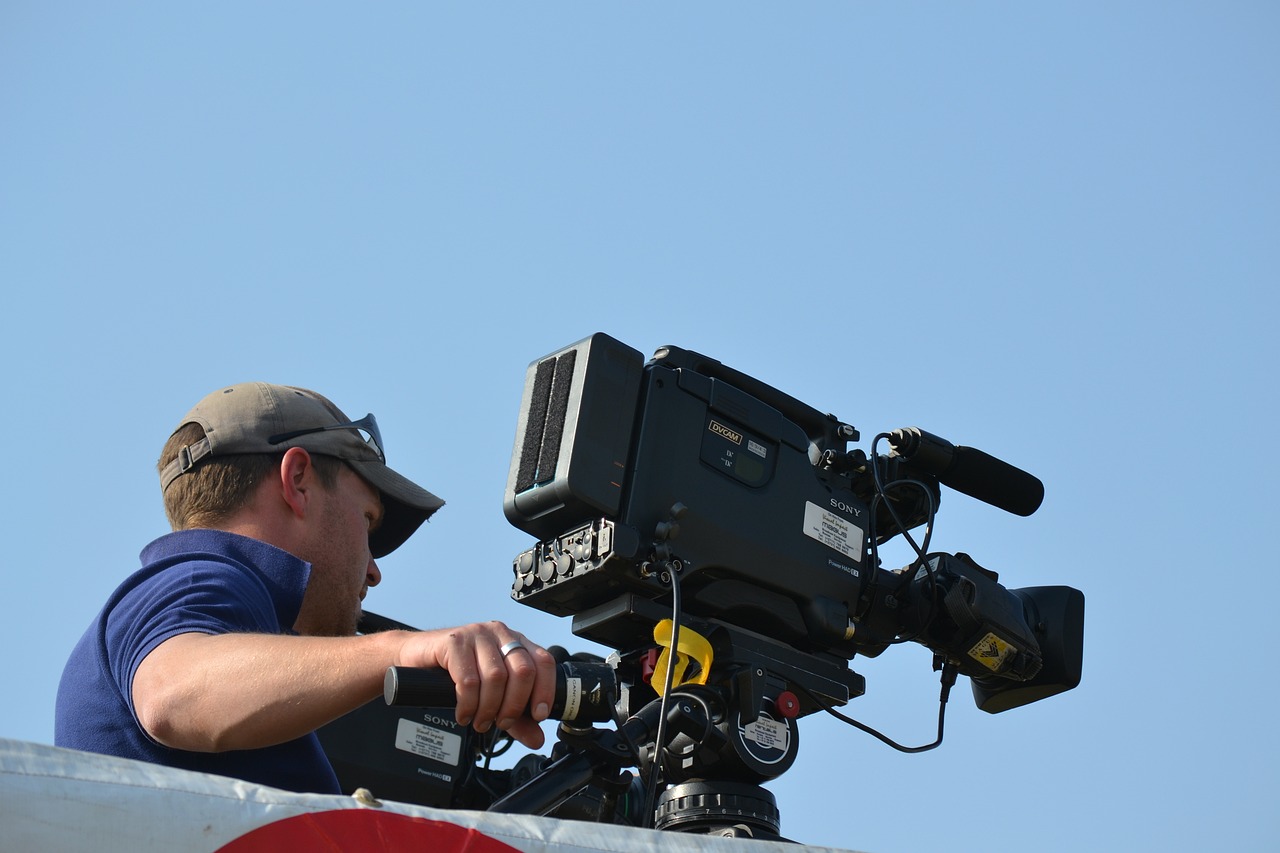
Lights, camera, technology! Advancements in technology have revolutionized the world of filmmaking. From the humble beginnings of silent films to today’s high-definition masterpieces, technology has played a pivotal role in shaping how stories are told on the big screen. For the right gear to get into filmmaking, you can click here. In this blog post, we will delve into the latest impacts of tech in the filmmaking sector.
The History of Filmmaking Technology
The history of filmmaking technology is a captivating tale that spans over a century. It all began in the late 19th century with the invention of the motion picture camera. Early filmmakers such as Thomas Edison and the Lumière brothers paved the way for this remarkable art form. In those early days, silent films dominated the silver screen. However, it wasn’t long before sound made its grand entrance. With the introduction of synchronized sound in movies during the 1920s, a new era dawned upon cinema.

Current Trends in Filmmaking Technology
Advancements in technology have revolutionized the world of filmmaking. From cameras to editing software, these innovations have opened up a new realm of possibilities for filmmakers. Let’s take a look at some current trends that are shaping the industry. Current trends such as virtual reality/augmented reality applications, the use of drones, live streaming capabilities, advancements in AI technology, and cloud computing all contribute to an exciting era for filmmakers where creativity knows no bounds thanks to ever-evolving technological innovations.
Future Trends in Filmmaking Technology
The future of filmmaking technology holds immense potential for revolutionizing how films are made and experienced. With rapid technological advancements, filmmakers can expect to explore new horizons and push boundaries like never before. One exciting trend on the horizon is the rise of virtual reality (VR) in filmmaking. VR allows viewers to immerse themselves fully into a film by wearing a headset that transports them into a virtual world. Some filmmakers have already adopted this technology, but we can expect it to become more accessible and widely used in the coming years.
Another promising development is artificial intelligence (AI) in film production. AI algorithms can analyze vast amounts of data to help with scriptwriting, casting decisions, and editing tasks. This speeds up the production process and opens doors for innovative storytelling techniques. Furthermore, advancements in camera technology are set to enhance visual experiences on screen. From 8K resolution cameras capturing stunning detail to lightweight drones providing unique aerial shots, filmmakers will have more tools than ever.
Conclusion
In this ever-evolving world of technology, the filmmaking sector has experienced remarkable advancements and transformative impacts. From the earliest days of silent films to the modern era of digital cinematography, technology has played a pivotal role in shaping how stories are told on the silver screen. Looking ahead to the future trends in filmmaking technology is like peering into a realm filled with infinite possibilities. With developments such as 5G connectivity on the horizon, streaming high-quality content will become even more accessible to global audiences. Furthermore