
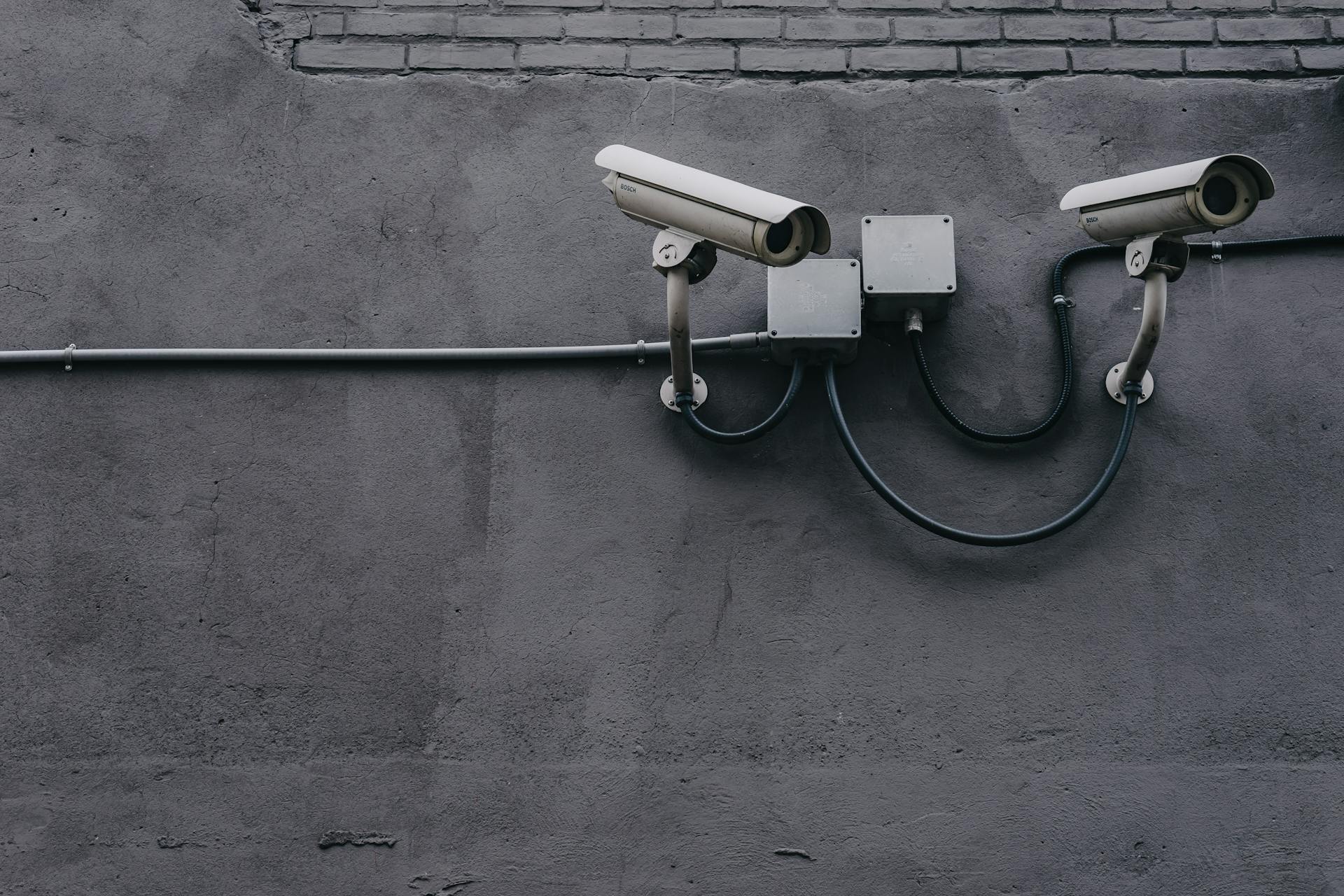
Security cameras have evolved far beyond simple recording devices. Modern systems now incorporate artificial intelligence (AI) and advanced analytics to enhance surveillance, monitoring, and overall safety. Users can download hilook app to manage cameras, receive alerts, and monitor live feeds remotely. These technologies allow for proactive threat detection, intelligent alerts, and efficient management of multiple cameras. Businesses, residential complexes, and public spaces benefit from smarter security solutions. Understanding how AI and analytics improve security camera management is essential for optimizing performance, reducing risks, and creating safer environments.
Automated Alerts and Notifications
 One of the most significant benefits of AI in security cameras is automated notifications. Cameras can send instant alerts to mobile devices or monitoring centers when suspicious activity is detected. These alerts reduce the need for constant human supervision. AI ensures notifications are relevant and timely, avoiding unnecessary distractions. Automated alerts allow security teams to act proactively, minimizing risks. They also provide documentation of events for further investigation. Efficient notification systems are a cornerstone of modern surveillance management.
Intelligent Threat Detection
AI-powered security cameras can detect unusual activities in real-time. Motion detection alone is no longer sufficient. Modern systems can distinguish between people, animals, and objects to reduce false alarms. Advanced algorithms analyze patterns, flagging potential security threats immediately. Intelligent detection ensures faster response times and improves overall security. This unique capability enhances the effectiveness of traditional surveillance systems. By focusing on relevant events, AI helps security personnel respond quickly and efficiently.
Predictive Analytics for Risk Assessment
Analytics play a critical role in evaluating security risks. By analyzing historical footage and activity patterns, AI systems can predict potential security breaches. Predictive analytics help in identifying vulnerable areas, peak risk times, and unusual behavior trends. This information allows organizations to implement preventive measures before incidents occur. The integration of predictive insights ensures that security resources are allocated effectively. Risk assessment using AI and analytics provides a more strategic approach to surveillance management.
Integration With Other Security Systems
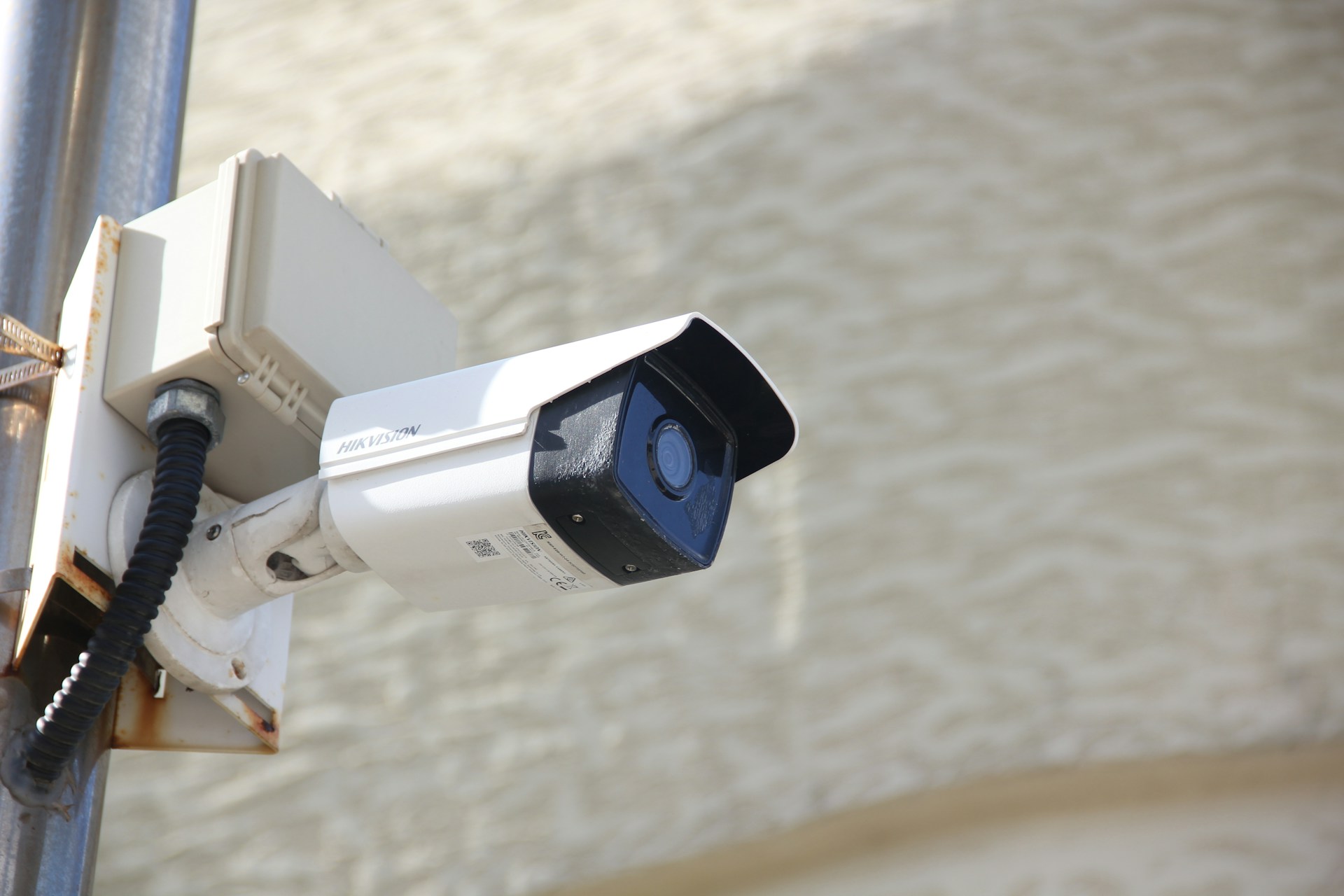
AI and analytics enable seamless integration with other security solutions. Systems can work alongside access control, alarms, and IoT devices to create a cohesive security ecosystem. Integration allows for automated responses, such as locking doors or triggering alarms when suspicious activity is detected. Coordinated systems provide a comprehensive security strategy. They ensure that all components work together to maximize protection. Connected systems enhance efficiency and reduce the likelihood of human error.
Centralized Camera Management
Modern security systems often include multiple cameras across various locations. AI-driven platforms offer centralized management, allowing users to monitor all cameras from a single interface. Centralized control simplifies configuration, firmware updates, and performance monitoring. Users can view live feeds, adjust settings, and generate reports without navigating multiple systems. Centralized management ensures consistency, reliability, and ease of use. It is particularly beneficial for large facilities with extensive surveillance networks.
Remote Monitoring and Cloud Storage
Cloud technology has transformed how security footage is stored and accessed. AI-powered cameras can upload video to secure cloud servers, enabling remote monitoring from anywhere. Users can review footage, receive alerts, and manage cameras using mobile apps or web platforms. Cloud storage ensures data is backed up and protected from local device failures. Remote access combined with AI analytics ensures continuous surveillance without physical limitations. This flexibility is particularly valuable for businesses and large-scale operations.
Future Trends in Security Camera Management
 The future of security camera management will see deeper AI integration and smarter analytics. Real-time behavior analysis, multi-camera tracking, and predictive threat prevention are emerging trends. Cameras may soon autonomously prioritize alerts based on risk levels and historical patterns. Integration with augmented reality (AR) and advanced visualization tools could further enhance situational awareness. These innovations promise to make security systems more proactive, efficient, and reliable. Organizations embracing these trends will benefit from safer, more intelligent surveillance environments.
AI and analytics have transformed security camera management into a proactive and intelligent process. From intelligent threat detection and automated alerts to predictive analytics and centralized management, modern systems offer unmatched efficiency. Enhanced video analytics, system integration, and remote monitoring further optimize security operations. As technology evolves, these solutions will continue to deliver smarter, more reliable, and comprehensive protection. Adopting AI-driven security camera management ensures safer environments and more effective surveillance strategies.